
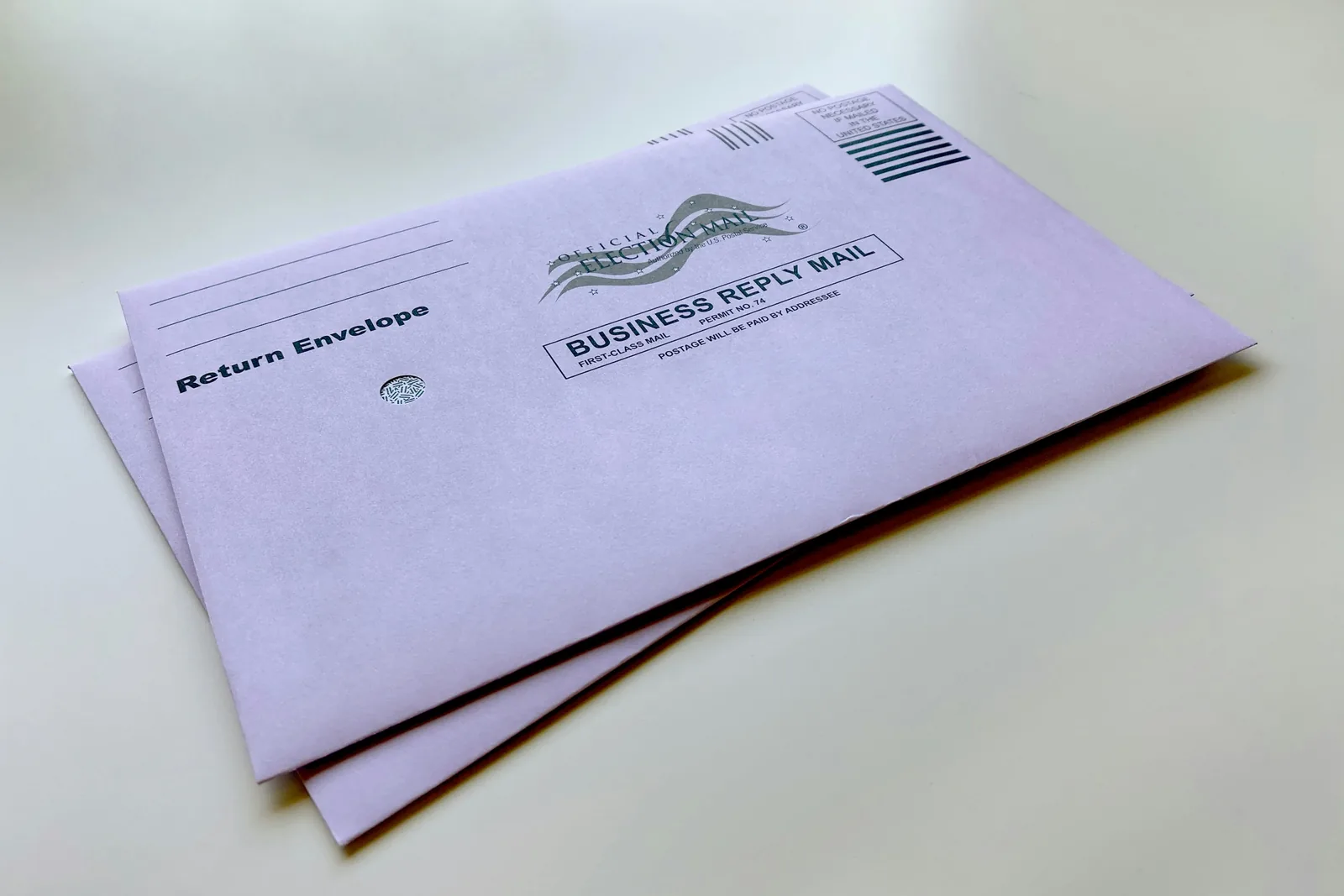
On September 15, National Voter Registration Day, “how do I register to vote” was the single most searched phrase in the United States, with more than a million searches in a day. A fair number of those people have a trip in the diary between now and the general election on November 3.
Being away from home does not cost you your vote, but it does mean doing things in a particular order, and doing them earlier than you think. This is a travel guide to the paperwork, not political advice: every rule below varies by state, and the official sources are linked at each step.
Step one: check that you are actually registered
Start at vote.gov, the federal government’s registration portal, which sends you to your own state’s system. Registration lapses more often than people expect: a move across town, a change of name, or a few missed election cycles can leave you off the roll or on it at an old address.
Deadlines to register differ enormously. California, for example, sets October 19 for the November 3 election but then allows conditional registration right through Election Day. Other states cut off weeks earlier with no second chance. Check yours rather than assuming you get a grace period.
Step two: request the ballot before you leave
Some states mail a ballot to every registered voter. Others require you to apply, and a number of them still ask for a reason — being out of the county on business travel, studying out of state, illness or disability are the usual accepted ones. A holiday may or may not count where you live.
The National Association of Secretaries of State keeps a directory at nass.org/can-i-vote that links every state’s absentee and early voting page, and the U.S. Vote Foundation publishes a state-by-state calendar of registration and ballot deadlines. Between those two you can answer both questions — whether you qualify and by when — in about ten minutes.
One detail worth getting right: the address you want the ballot sent to. If you will be moving around, sending it to a home address where nobody can forward it is how ballots go missing. Some states will mail to a temporary address; others will not.
If you will be outside the country
Americans abroad have their own system, and it is simpler than the domestic one. The Federal Post Card Application, or FPCA, registers you and requests your absentee ballot in a single form. You fill it in at fvap.gov, the Federal Voting Assistance Program’s site, and it covers military personnel, their families and any U.S. citizen living overseas who previously lived in the United States.
States are required to send those ballots out at least 45 days before a federal election, which for November 3 means they should be going out around the third week of September. The advice from FVAP is to file the FPCA at the start of the calendar year, or at minimum 45 days out — file it late and the clock runs against you in both directions.
There is a backup. If you did everything right and your ballot still has not arrived 30 days before the election, you can send a Federal Write-in Absentee Ballot, the FWAB, which works as an emergency replacement. And if you do not trust the international post, most U.S. embassies and consulates will accept a completed FPCA or a sealed ballot and send it back through diplomatic mail; check that post’s hours and cutoff dates, because they are not the same everywhere.
The deadline that catches people out
It is not the registration deadline. It is the return deadline, and specifically whether your state counts a ballot by the date it is postmarked or by the date it arrives at the election office.
Those two rules produce completely different travel plans. Where receipt is what counts, a ballot posted from overseas a week before Election Day is worthless; where the postmark counts, it may be fine. Rules here have been changing, and they differ for overseas and military voters in many states, so read your own state’s current page rather than an article from a previous cycle — including this one.
Practical ways around the problem
If your trip falls close to the election, the cleanest solution is often to vote before you fly. Most states now run some form of in-person early voting, typically in the two weeks before Election Day, and some counties will let you collect and hand back a mail ballot at the election office in one visit.
Failing that, build the postage into the itinerary. Know where you can post a ballot at your destination, keep it flat and dry, and do not leave it in a hotel’s outgoing mail tray on the last morning and hope.
While you are checking documents
Election paperwork is one of those trip-planning chores that sits alongside the others nobody enjoys. If your destination is somewhere the State Department has an advisory on, our guide to what the four advisory levels actually mean explains how those ratings are built and what they do and do not tell you. And if this is a winter trip you are still shaping, the 2026-2027 snow forecast lays out where the long-range models disagree, region by region.
Everything above changes by state and occasionally by county. Treat vote.gov, your state election office and, from abroad, fvap.gov as the only authorities that matter, and do it this week rather than in October.